Daily habits can change how symptoms feel. They do not name the cause.
Hydration, caffeine, alcohol, food timing, movement and prolonged sitting can influence bladder behaviour or pelvic comfort. Use them as observations, not as a home diagnostic test.
Hydration: aim for sensible, not extreme
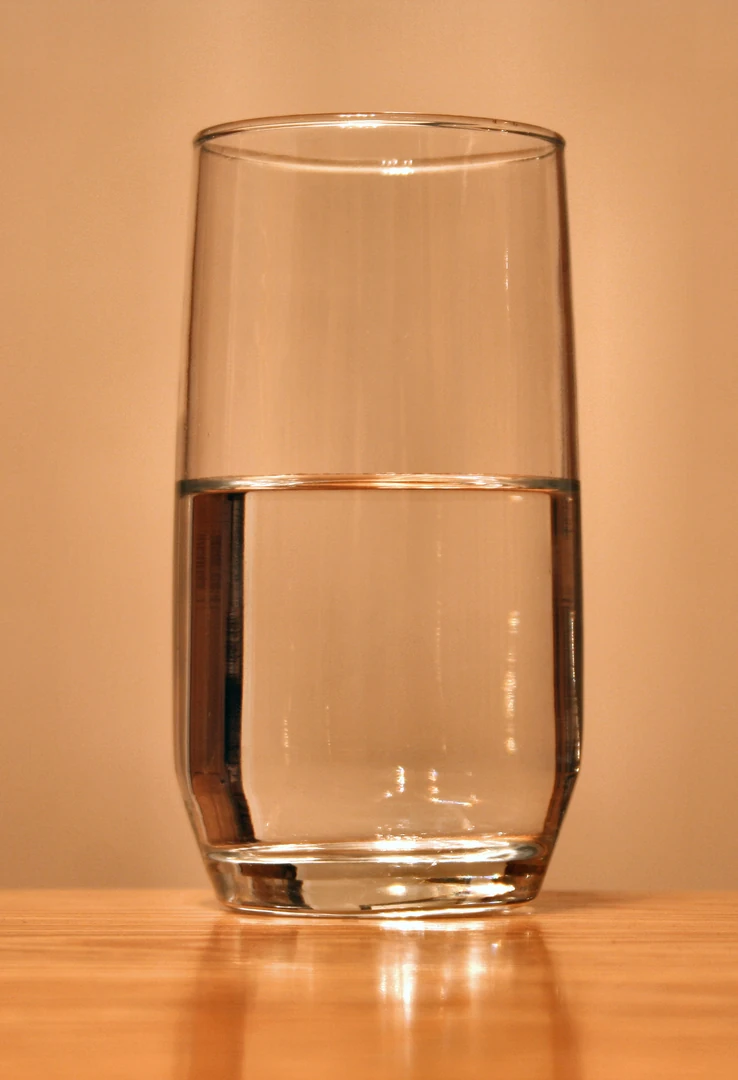
Dehydration can concentrate urine and may worsen discomfort for some people. On the other hand, forcing large amounts of fluid can increase frequency and urgency. A balanced approach is usually more useful: drink regularly according to thirst, climate, activity and medical advice, and notice whether large late-evening drinks worsen night-time urination.
Caffeine and alcohol
Coffee, energy drinks, strong tea and alcohol can irritate the bladder or increase urine production in some people. If you suspect a pattern, change one variable at a time for several days rather than eliminating everything at once. That makes your observation more meaningful.
Food and symptoms
No single diet treats all prostatitis. Some people report irritation after spicy or acidic foods, while others notice no difference. A short food-and-symptom note can be more useful than a restrictive diet based on fear. If you have another medical condition that affects diet or fluid intake, follow advice from your clinician.
Movement and sitting
Long periods of sitting may increase pelvic discomfort for some people with chronic pain patterns. Gentle walking, position changes and breaks from a desk can be worth testing if symptoms allow. Exercise intensity should be adjusted to how you feel, and acute illness with fever is not a time to “push through.”
Sleep and stress
Pain, poor sleep and stress can reinforce each other. Chronic pelvic pain may feel more intense during periods of high stress or poor rest. This does not mean symptoms are imaginary; it means the nervous system, muscles and pain processing can influence the experience of persistent pain.